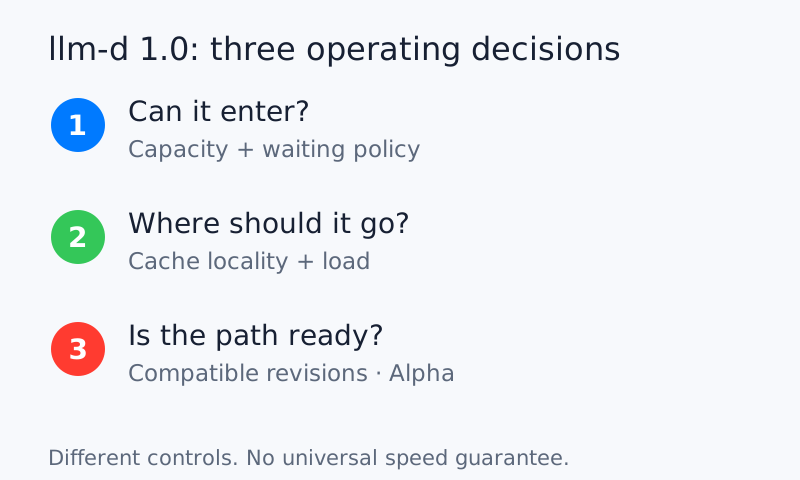
Separate queues, reuse prompt context, and coordinate serving pools. A practical guide to the operating choices in llm-d 1.0.
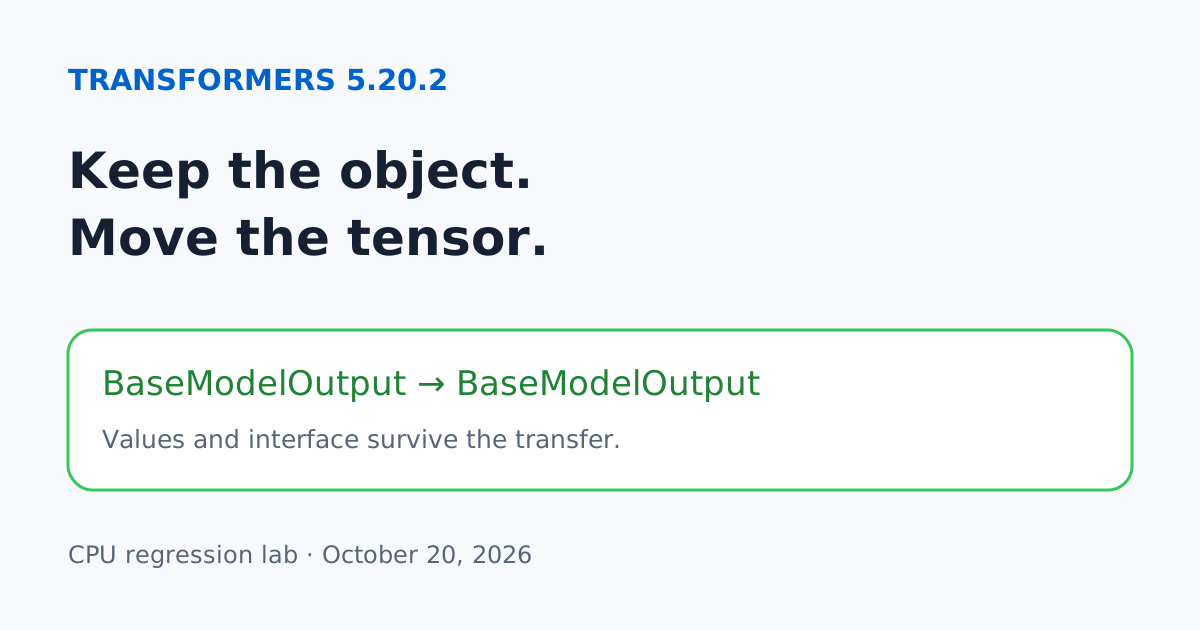
A device-transfer helper kept tensor data but erased ModelOutput behavior. We reproduce the failure and the fix with tiny BART and LLaVA models on CPU.
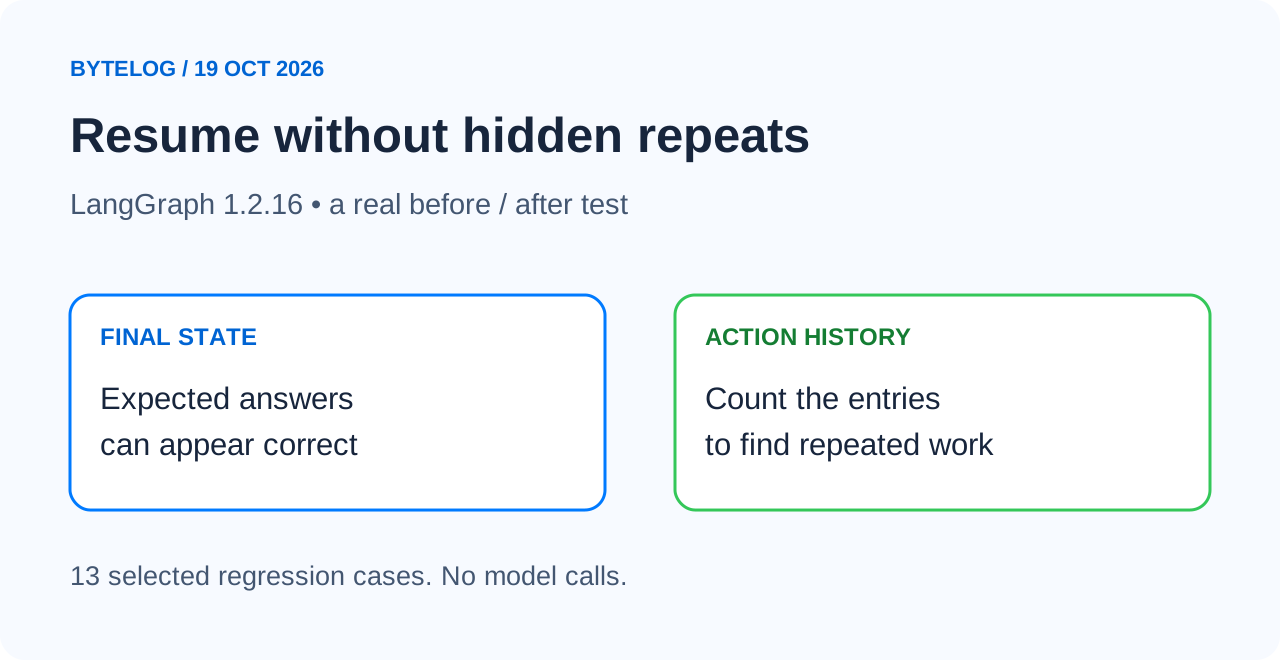
A correct final state can hide repeated actions. We compare LangGraph 1.2.15 and 1.2.16 on real resume regressions, then check what the patch does not guarantee.
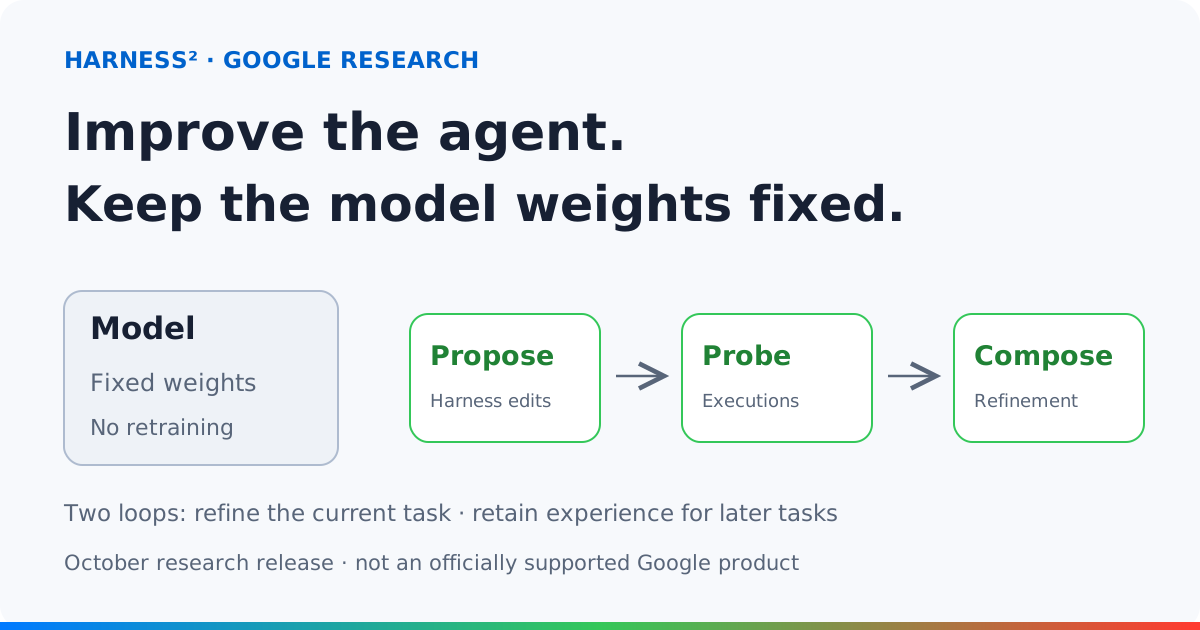
Google Research's Harness² refines prompts, tools and workflows around a fixed model. We explain its two loops and run the credential-free local demo.
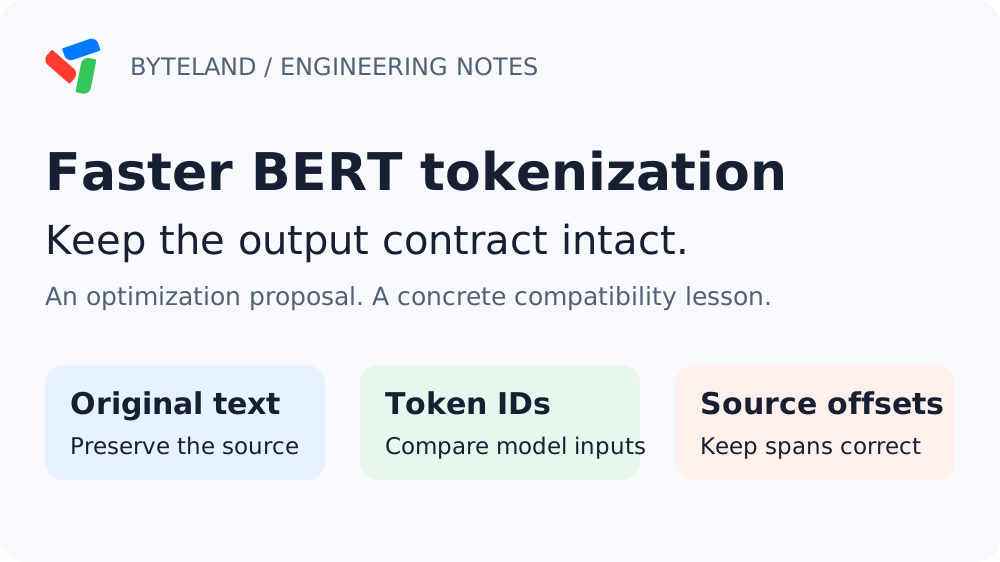
Hugging Face's new tokenizer proposal removes unnecessary Unicode work. A real BERT baseline check shows why adoption tests must include source offsets.
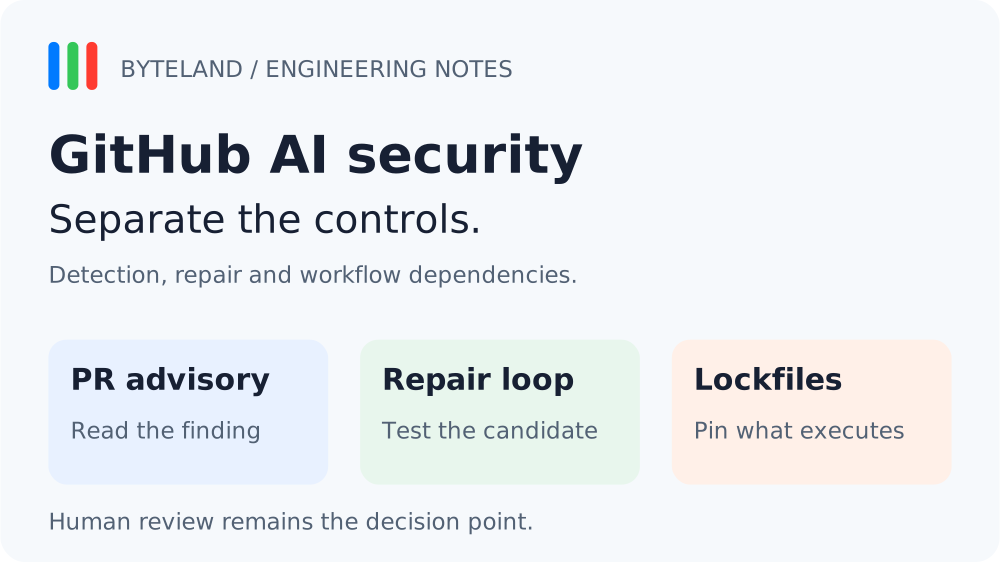
AI Scan finds possible risks, agentic autofix proposes repairs, and workflow lockfiles control what runs. Their boundaries matter as much as their capabilities.
Liquid AI's new local-agent model separates active compute from memory needs. Read its speed claims, mixed benchmark results, and deployment limits.
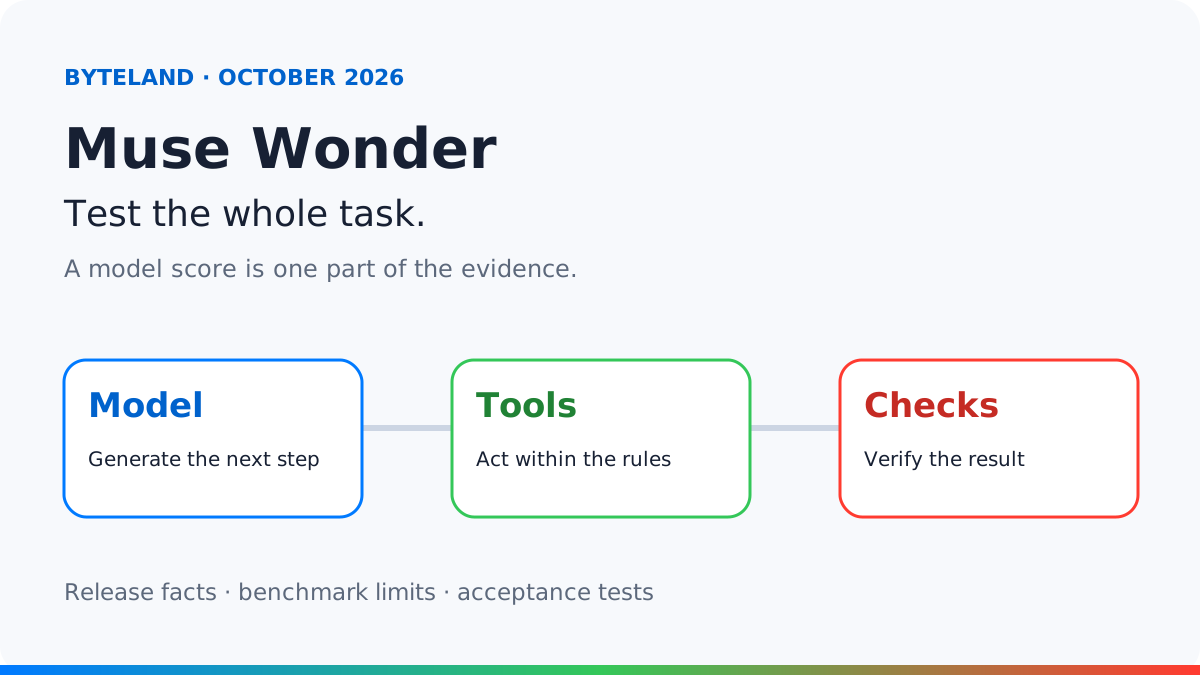
Meta's new agent models put sustained work in focus. We examine model access, memory claims, benchmark conditions, and the limits of published scores.
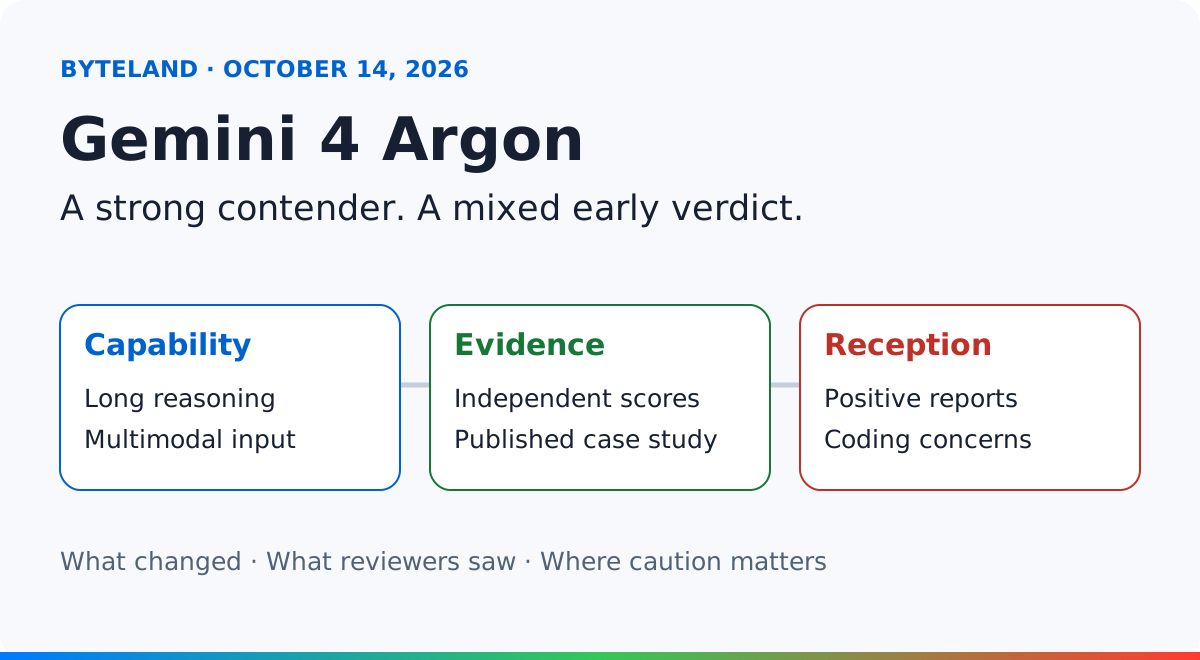
Google's latest reasoning model reaches more users. We compare its capabilities, independent results, mainstream coverage, and early social feedback.
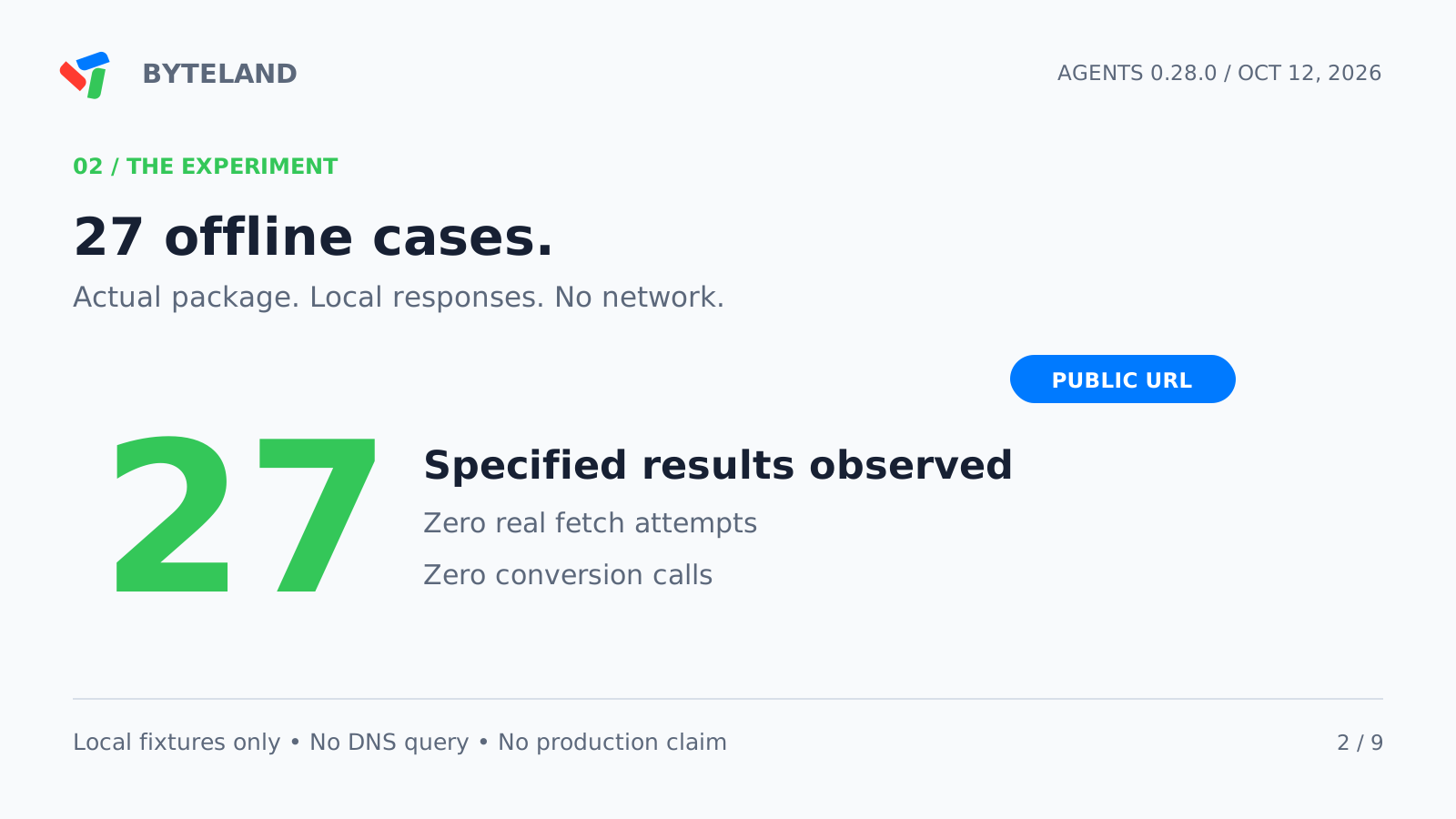
Twenty-seven offline cases examine agents 0.28.0, redirect checks, streamed response limits, and the difference between URL rules and network controls.